
Bosnia & Herzegovina: Why Mostar and Sarajevo Might Just Steal Your Heart
If you'd asked me to name my favourite country in Europe before this trip, I'd have hesitated. After it, I didn't hesitate at all. Bosnia & Herzegovina, specifically Mostar and Sarajevo, has become the destination I think about more than any other.
It's not an obvious answer. It doesn't have the instant name recognition of Venice, or the glitz of Paris. But that's precisely what makes it so compelling. This is a country that asks a little more of you, and gives back so much more in return.
Why Bosnia & Herzegovina Gets Under Your Skin
The people. There's a beautiful mix of backgrounds here, and on first impression, people can seem a little reserved. Give it a moment. That initial wariness melts away almost instantly, and what's left is warmth that feels completely unguarded and genuine.
The food. Burek is, quite simply, to die for…flaky, savoury pastry that tastes like someone's grandmother has been perfecting the recipe for decades. In fact, almost everything you eat here carries that same quality: like the best home-cooked food you've ever had, served without pretension.
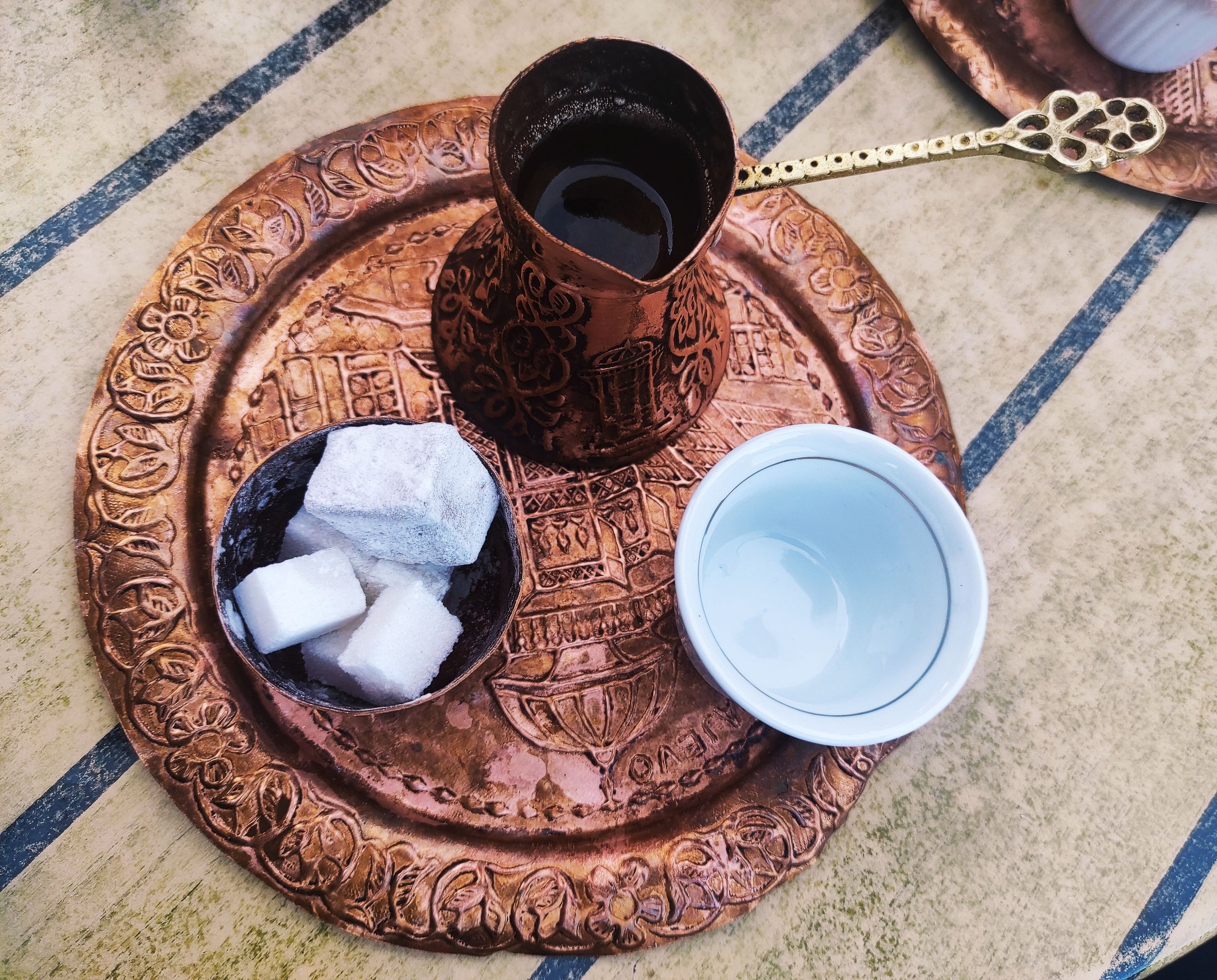
The coffee. Bosnian coffee arrives in beautiful traditional copper sets, with a sugar cube on the side to nibble between sips. Find a seat with a view, slow right down, and let it become a ritual rather than a quick stop.
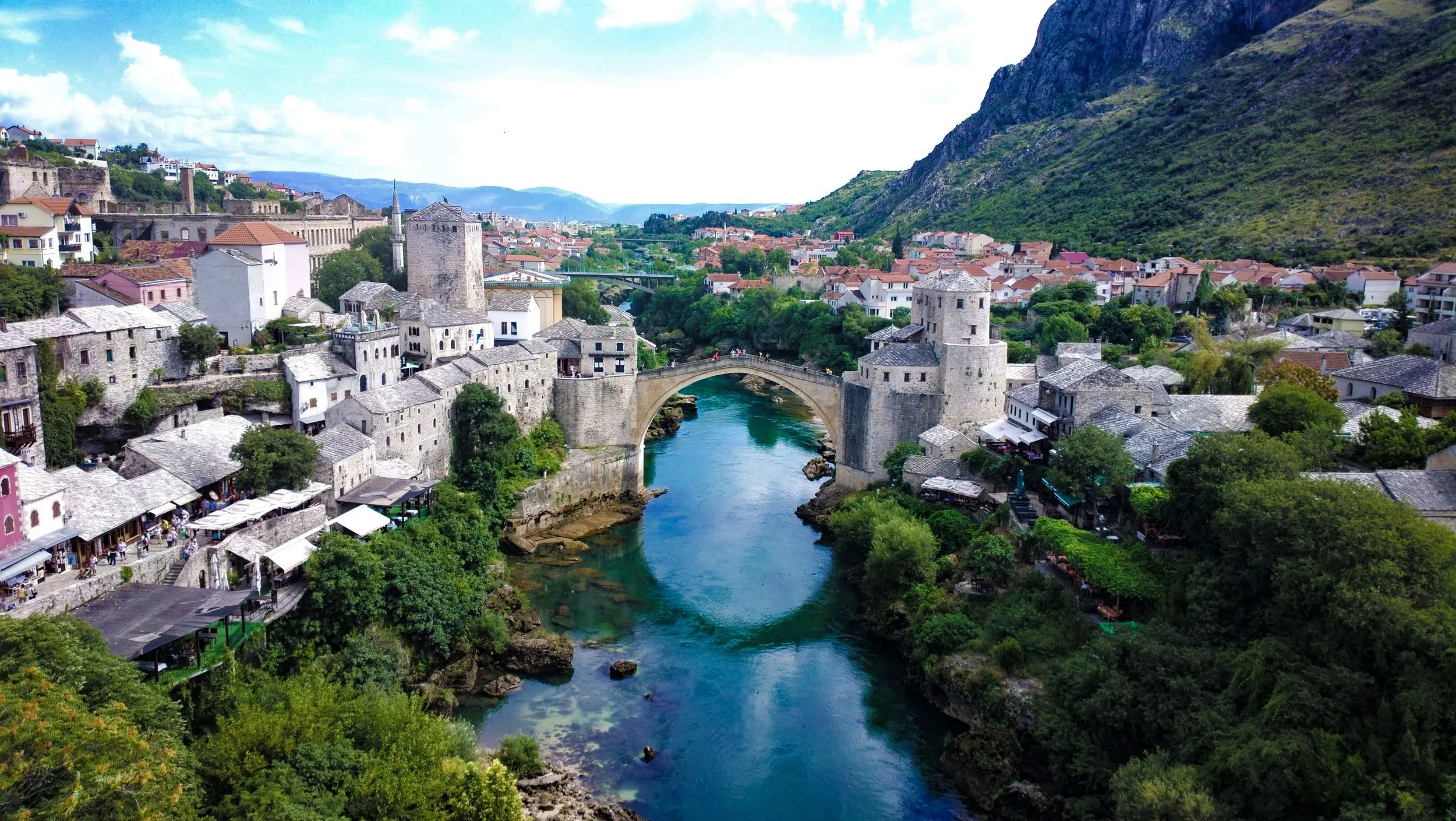
The nature. Think rolling green hills and turquoise rivers so vivid they look too good to be true. It's the kind of scenery that makes you stop mid-sentence.
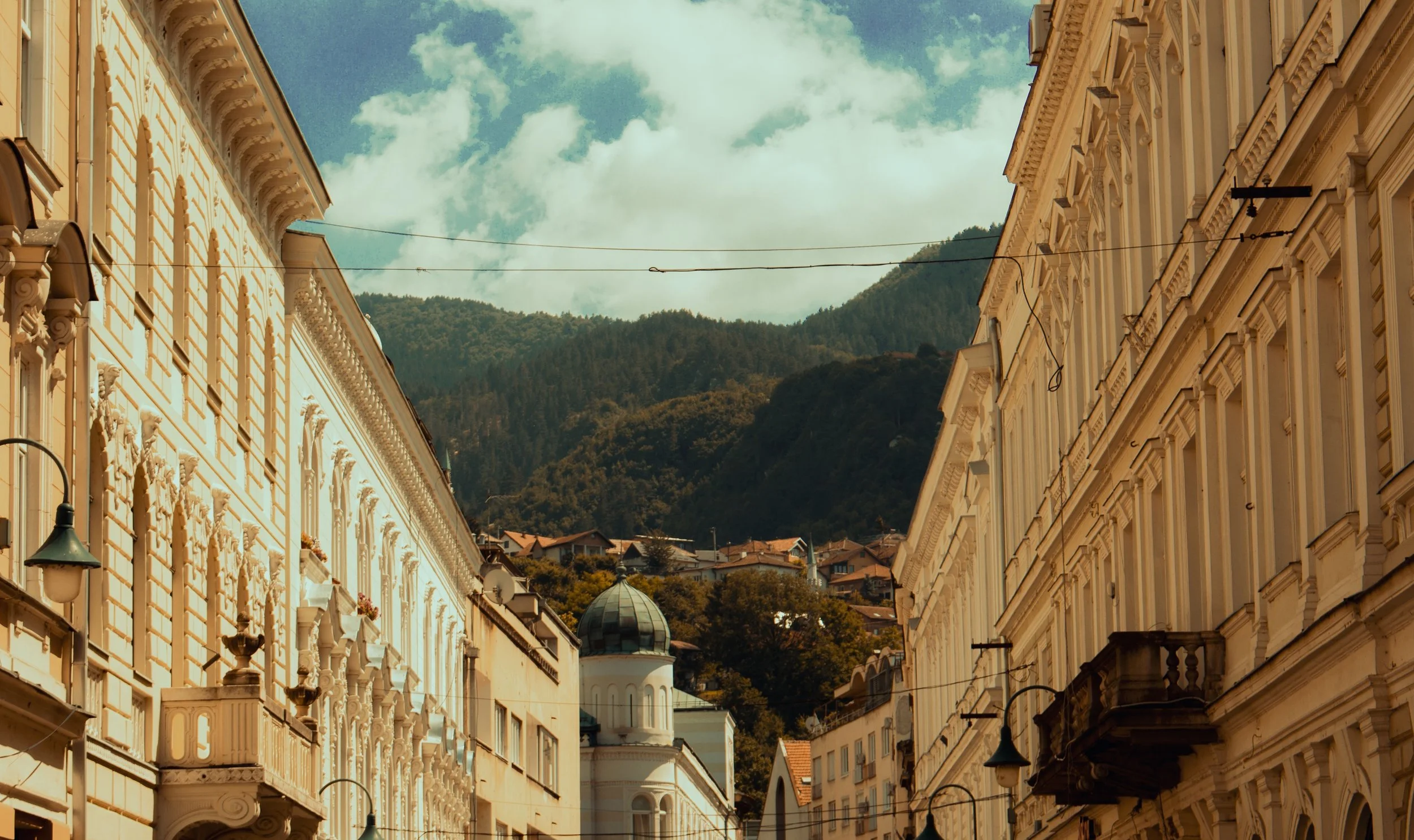
The architecture and history. Ottoman-era stone bridges, Austro-Hungarian facades, and an important history that should not be ignored (more on that below).
Ready to see it for yourself? Flights to Sarajevo or Mostar are easier to find than you'd think, and prices have a habit of creeping up the longer you wait. Search and book your Mostar flight and hotel via Expedia here and lock in a route while fares are still kind to your budget.
Oh hey, do you wish you could go clothes shopping and never feel guilty about it later? If that's you, click here and get the solution.
-
Oh hey, do you wish you could go clothes shopping and never feel guilty about it later? If that's you, click here and get the solution. -
Mostar: Where to Start
Head straight for Stari Most, the iconic Old Bridge that arches dramatically over the Neretva River. For the classic fairytale photograph, make your way down to the water's edge rather than staying up on the bridge itself; this is where you'll capture that postcard shot everyone associates with Mostar.
Next, head uphill and settle in at one of the riverside cafés for a traditional coffee. This is a view worth lingering over, not rushing past.
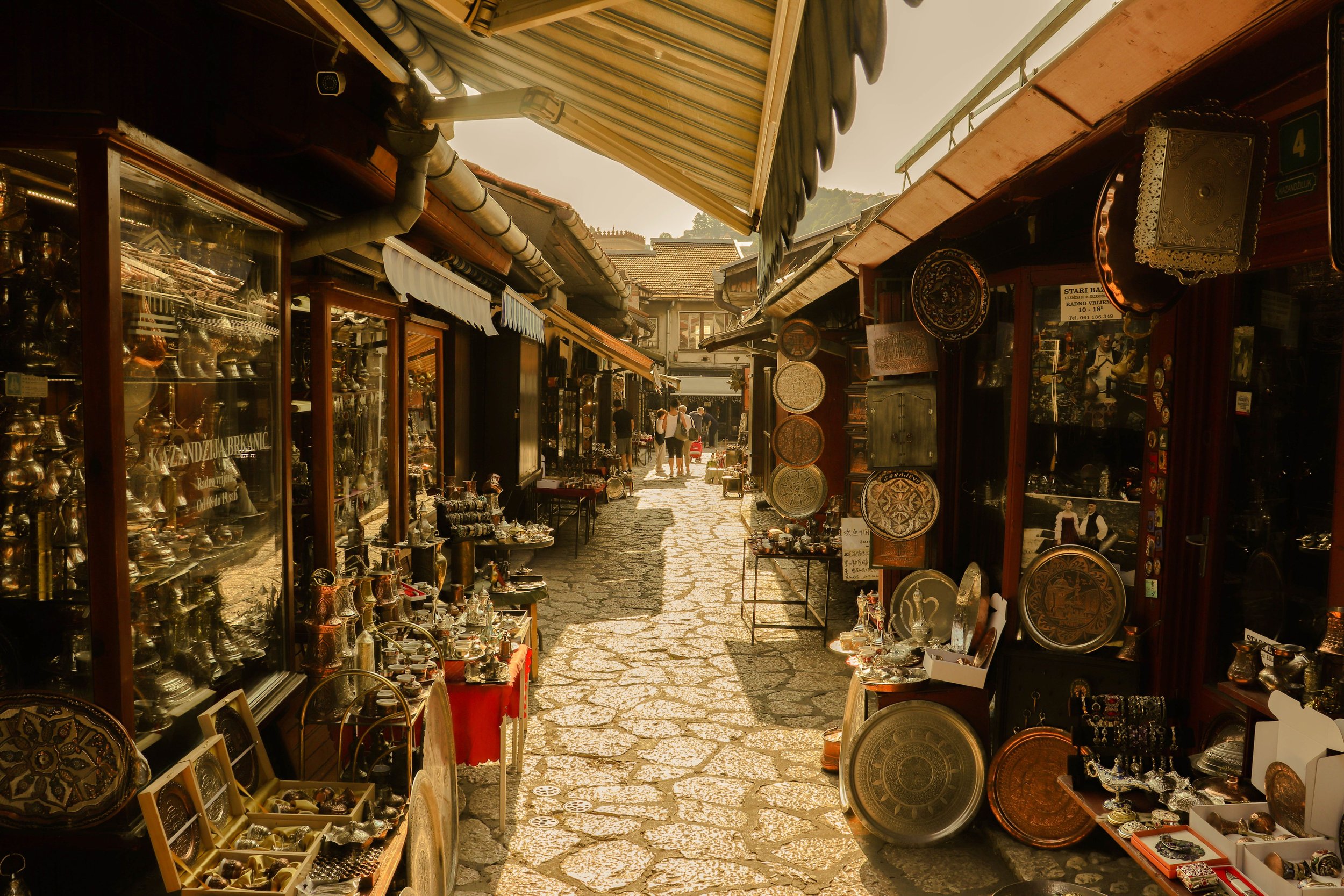
From there, lose yourself in Mostar's old town markets. A little discernment goes a long way: it's fairly easy to spot the difference between mass-produced tourist trinkets and authentically handmade pieces, whether that's copperwork, textiles, or jewellery. Shop with that distinction in mind and you'll come home with something that actually means something.
The Drive from Mostar to Sarajevo
I'll say this plainly: it's the most stunning drive I have personally ever experienced. Rocky hilltops patched with lush greenery, turquoise water winding alongside the road - this isn't a journey to rush through. Build in time to stop, breathe it in, and simply look.
Sarajevo: History, Culture, and a City Still Healing
Sarajevo rewards a slower, more intentional visit. Start with a local walking tour, this is the best way to understand the layers of history and culture packed into this city, far beyond what you'd piece together alone.
There are more wonderful markets here too, clustered around the affectionately nicknamed Pigeon Square. Make time for more burek and coffee while you're at it; you won't regret it.
A Necessary Stop: The Museum of Crimes Against Humanity and Genocide
This is a small museum, but it is filled almost floor to ceiling with personal stories from people who lived through the Bosnian War in the 1990s. Every account is real. Every account is devastating. You won't manage to read every single one; the weight of it is simply too much in one visit, and it will very likely move you to tears.
For me, visiting here was essential. I wasn't quite old enough at the time to understand what was happening, and this museum gave me the context and the humanity behind a history I'd only ever encountered in headlines.
As you walk through the rest of the city, you'll notice bullet holes still marking many buildings. There's nothing to be wary of here, it's simply part of the visible record. There are ongoing efforts by some to obscure or downplay what took place during this period, and as a result, many in Sarajevo would rather preserve these visible reminders than erase them.
You'll also want to look down as you walk. Scattered through the pavement are Sarajevo Roses: shell-impact scars filled with red resin, marking where explosions struck during the Siege of Sarajevo between 1992 and 1996. They're small, easy to miss, and heartbreaking once you know what they are.
This is a lot to process in one morning, so plan something uplifting afterwards. I'd strongly recommend the cable car up to Trebević mountain for sweeping, stunning views over the city. From the top, a walk through the surrounding greenery leads to the Sarajevo Olympic Bobsleigh and Luge Track, built for the 1984 Winter Olympics. The track now sits reclaimed by bold, vivid graffiti art…a strange and rather moving symbol of a city that keeps finding ways to reinvent what it carries forward.
A Few Practical Notes
Toilets: You'll occasionally encounter squat toilets. Carry tissues and hand sanitiser, just in case.
Water: Fill your bottle from the public fountains - the water is cold and genuinely delicious. Local legend has it that if you drink from the fountain in Pigeon Square, you're destined to return to Bosnia & Herzegovina.
Accommodation: Whilst tourism is growing here, don't expect the polish of Western or Northern Europe. That said, this doesn't mean compromising on cleanliness or hospitality, just recalibrate your expectations around luxury. Worth noting too: the indoor smoking ban only came into effect here in 2023.
Safety: I felt entirely safe walking around, taking the same precautions you'd take in any city against pickpocketing or bag snatching. Unexploded landmines remain a hazard in isolated, rural, and mountainous areas - stick to well-travelled roads and marked trails, and never enter abandoned or taped-off buildings. Political protests do occur, particularly in the major cities, and are typically peaceful, but it's sensible to monitor local news and avoid demonstrations regardless.
Where to Stay
Given the contrast between Mostar's fairytale old town and Sarajevo's layered history, I'd recommend staying in whichever location you think you’ll spend more time in. Both cities offer cosy guesthouses and comfortable hotel stays, and booking ahead means more choice over location, particularly if you want to be within walking distance of Mostar’s Old Bridge or Sarajevo’s Pigeon Square. Browse and book your Sarajevo trip via Expedia here to compare options and secure the best rates before they fill up.
Final Thoughts
Bosnia and Herzegovina is unique and totally unforgettable…but it's not for everyone. This isn't a destination for those who want to do all the same things they do at home and snap a few glamorous selfies along the way. It's for people who care about experiencing other cultures, who want to learn some history rather than skim past it, and who are willing to sit with some discomfort as well as admire the surrounding beauty.
If that sounds like you, you're in exactly the right place. Mostar gives you the fairytale; Sarajevo gives you the depth. Together, they made for the most profound trips I’ve ever take in Europe - it’s the kind of place that stays with you long after you've left.
This post contains affiliate links. If you book via these links, I may earn a small commission at no extra cost to you. As always, I only recommend places and platforms I'd happily use myself.