
Venice Without the Noise: How to Experience the City on Your Own Terms
Venice is the city everyone has seen in photographs a hundred times before they arrive, and it still manages to stop you. Standing at the edge of the Grand Canal for the first time, or emerging from a vaporetto stop into a square you weren't expecting; this city delivers in a way that very few places on earth actually do.
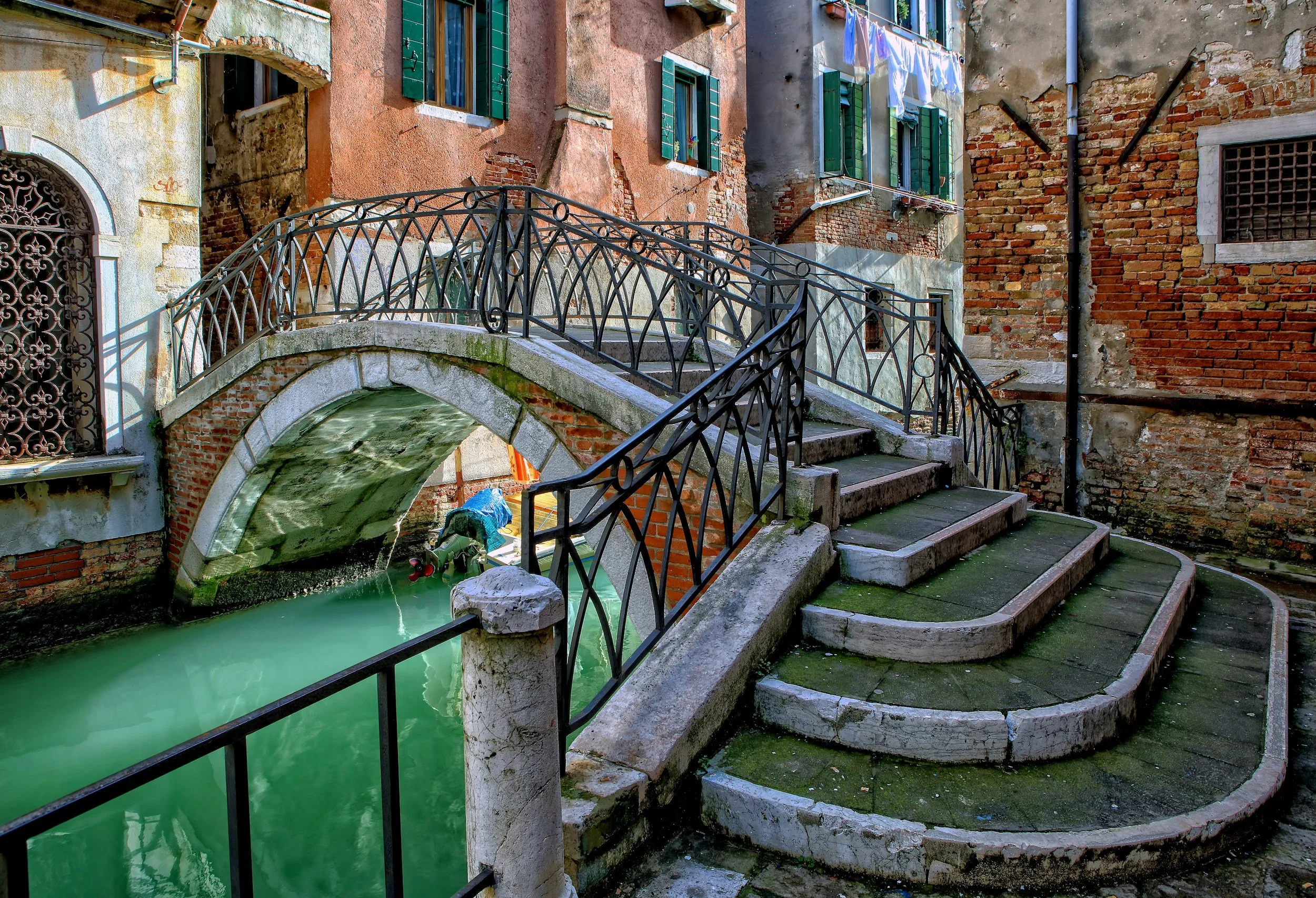
The problem, and it is a real one, is that it is extraordinarily well-loved. Millions of visitors move through a city of a few thousand permanent residents. The result is that Venice can feel, if you approach it like most people do, more like a performance of itself than the living city it actually still is.
The solution is not to avoid Venice, it’s to arrive with a plan. Here's one that works.
Don't try to do too much on the first evening. Let the city land.
For dinner, Bakaro is exactly the right way to start, a bacaro being the Venetian version of a wine bar, cicchetti on the counter, a glass in hand and the sense that you've arrived somewhere that is doing things on its own terms.
San Marco (Done Properly)
Yes, everyone goes to San Marco. The trick is to go early, go with intention, and know in advance what's worth your time.
St Mark's Basilica is worth the queue…the interior mosaics are extraordinary in a way that photographs absolutely fail to convey. Go when it opens. The Doge's Palace next door is one of Venice's great civic buildings, and the Biblioteca Nazionale Marciana (the library directly opposite) is an interior that will stop any architecture or interiors lover dead in their tracks. Three buildings, one square, and more beauty than most cities manage in an entire postcode.
Lunch at Bar all'Angolo, Ristorante Le Cafe, or Moro Cafe - all in the San Marco neighbourhood, all reliable, none of them trying too hard.
The Bridge of Sighs in the afternoon, then up St Mark's Campanile for the view over the city that reframes everything you've seen at ground level. In the evening, join a walking tour dinner - the better operators take you into neighbourhoods that most visitors never find, which at this point in the trip is exactly what you need.
Drinks at Santa Cocktail Club; considered menu, good atmosphere, one of those bars that has clearly thought about what it's doing.
San Polo
The Rialto Market in the morning, ideally before 9am, before the crowds arrive. This is one of the most beautiful everyday sights in the city: fish, produce, vendors who have been doing this for decades, the Grand Canal behind them. Venice still doing what it has always done. The Ponte di Rialto itself is directly adjacent; walk it and look both ways down the Grand Canal before moving on.
The Scuola Grande di San Rocco is the single most undersung interior in Venice. Tintoretto's cycle of paintings covering the ceiling and walls is one of the great artistic achievements of the Renaissance and receives a fraction of the attention it deserves. Go. Pick up a mirror (provided on a table at the back) if you want to look up without destroying your neck.
Lunch at Farini or Brunch Cafe, then an afternoon in Ca' Rezzonico for 18th century Venetian art in a genuinely grand palazzo setting, then the Gallerie dell'Accademia for the full sweep of Venetian painting. Stop at Al Prosecco for cheese and wine when your feet need a rest (and they will).
Dinner at Al Nono Ristoro, then drinks at Il Mercante - one of Venice's better cocktail bars, atmospheric in the way that only a tiny Venetian back street can produce.
Castello
The quietest, least-visited neighbourhood on the main island, and the one that feels most like a working city still going about its business.
The Arsenale di Venezia, the former shipyards that built the Venetian naval fleet, is one of the city's most extraordinary structures; usually only fully accessible during the Biennale but always worth approaching from the outside. The Giardini della Biennale alongside it are genuinely beautiful gardens and a rare experience of actual green space in Venice.
Lunch at Cafe Florian or Cafe Lavena - both grand old Venetian institutions where the coffee costs more than it should and is absolutely worth it.
The afternoon: Libreria Acqua Alta, the famously chaotic bookshop with books stacked in gondolas, is exactly as delightful as its reputation suggests. Then walk the Riva degli Schiavoni waterfront as the afternoon light drops; the view back toward San Marco and the lagoon at this time of day is one of the best in the city.
Dinner at Dal Moro's - fresh pasta and genuinely excellent. The perfect final evening.
Where to stay
The single best decision you can make for a Venice trip is where you base yourself. Which is why staying in Hotel Indigo Venice - Sant'Elena by IHG rather than directly around San Marco changes the entire character of a visit.
Sant'Elena is the easternmost tip of the main island — a quiet residential neighbourhood that feels like a genuinely different city from the one most tourists experience. The Hotel Indigo here occupies a converted 1930s monastery, and the peaceful inner garden carries that monastic calm into your stay. The neighbourhood has the feel of a small Italian town: locals, a park, the elegant Gothic church of Sant'Elena built by Augustinian monks. From here, San Marco is an easy vaporetto ride away — present when you want it, absent when you don't.
Rooms carry design accents referencing the neighbourhood's character, from the sea to the Sant'Elena gardens. The Savor restaurant and bar is worth an evening in itself — the cocktail menu is considered, the setting beautiful, and the inner garden the kind of place you sit in longer than you meant to. An on-site restaurant, daily housekeeping, and free Wi-Fi complete what is, frankly, one of the more thoughtfully positioned hotels in Venice.
Affiliate link: Booking through the link above supports LustreList at no extra cost to you.
The edit
Venice in April or May has the best combination of comfortable temperatures and manageable crowds. Structure your days by neighbourhood rather than landmark, and walk with genuine intention rather than following the flow. The city that exists beneath the postcard version is one of the most extraordinary places in the world. This itinerary will find it for you.